
There’s something undeniably comforting about a warm bowl of noodles, and when they come paired with a vibrant mix of roasted vegetables, it feels like a hug for the soul. Recently, I found myself craving the rich, sweet, and savory flavors of Korean cuisine but didn’t have the time for a lengthy meal prep. That’s when I decided to whip up an Easy Sheet Pan Japchae, a delightful twist on the traditional glass noodle dish that allows me to indulge in all those delicious tastes without the fuss.
With just a single sheet pan and under 30 minutes, I can enjoy chewy glass noodles infused with a colorful array of veggies, perfectly caramelized into a tantalizing dish. Whether you’re winding down from a busy day or seeking a quick delivery from fast food monotony, this recipe is your ticket to a satisfying and vibrant dinner that everyone will love. Let’s dive into making this quick and delicious Sheet Pan Japchae that’s as simple as it is delightful!
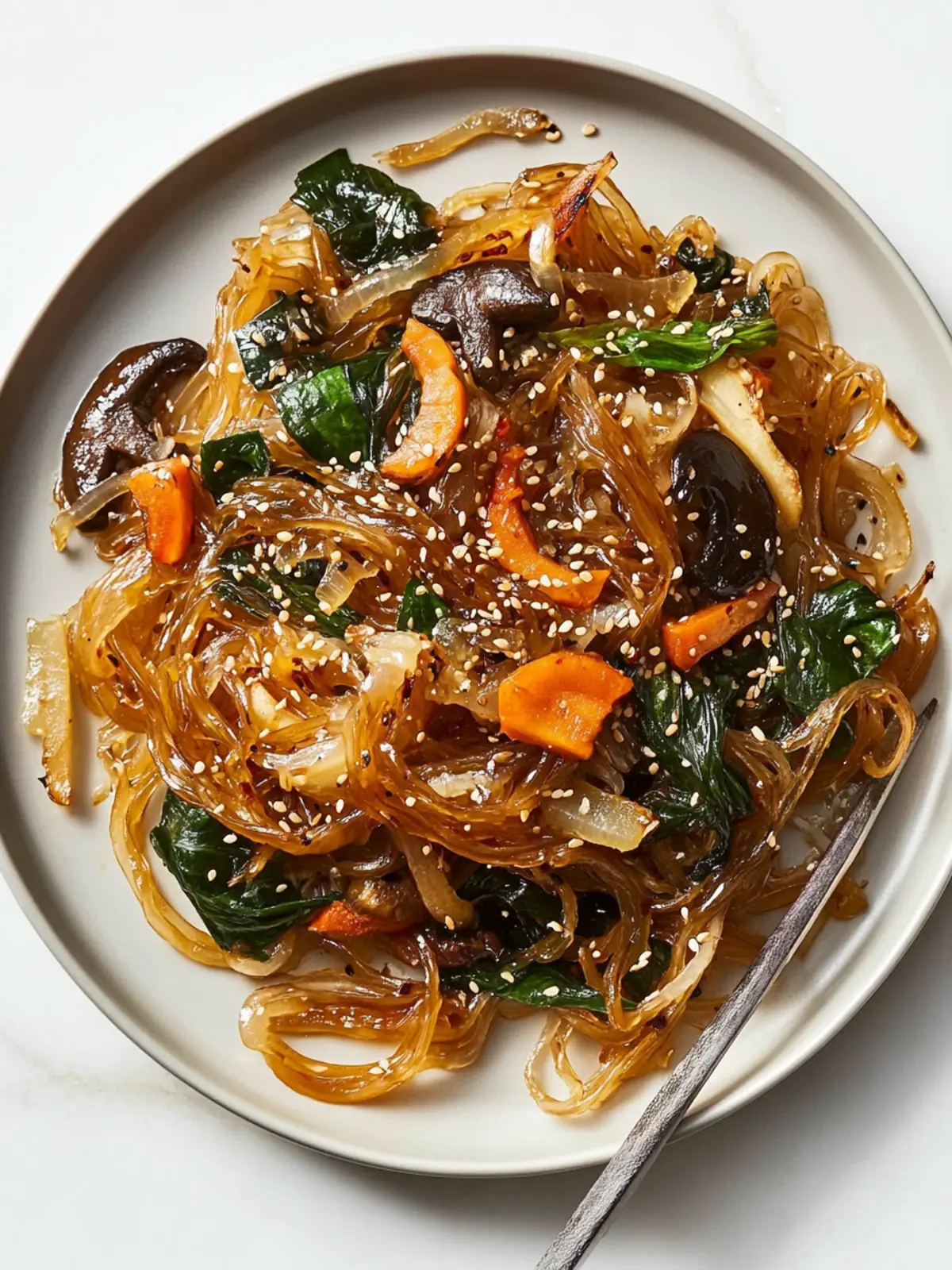
Why You’ll Love Sheet-Pan Japchae
Simplicity at its finest: This recipe transforms a traditional dish into a quick and effortless meal with just a single sheet pan.
Flavor-packed goodness: Enjoy the combination of chewy glass noodles and a delightful medley of roasted vegetables that burst with sweet and savory notes.
Healthy and satisfying: Packed with vibrant veggies and low in added sugars, it’s the perfect guilt-free indulgence for any night of the week.
Versatile for all tastes: Easily swap in your favorite vegetables or proteins; whether you love tofu or chicken, there’s room for customization!
Quick cooking method: With under 30 minutes of prep and cook time, you’ll be serving up dinner before you know it.
If you’re looking for more quick yet wholesome ideas, check out this delicious Sheet Pan Recipe Collection!
Sheet-Pan Japchae Ingredients
For the Roasted Vegetables
- Frozen Chopped Spinach – Adds nutritional value and vibrant color; feel free to use fresh spinach if you prefer a different texture.
- Shiitake Mushrooms – Brings umami flavor; can substitute with button or cremini mushrooms if desired.
- Bell Pepper (Orange/Yellow) – Introduces sweetness and crunch; any bell pepper variety works based on your preference.
- Olive Oil – Ideal for roasting; use vegetable or canola oil for a more neutral taste.
- Salt and Black Pepper – Essential for seasoning; adjust to your taste for optimum flavor.
For the Noodles and Sauce
- Dangmyeon (Sweet Potato Noodles) – The star of this dish providing chewy texture; replace with rice noodles if necessary, adjusting cooking time.
- Garlic (minced) – Enhances the dish’s flavor; fresh garlic is always recommended for the best taste.
- Soy Sauce – Adds saltiness and depth; opt for gluten-free soy sauce if you have dietary restrictions.
- Dark Brown Sugar – Offers a rich sweetness; you can swap it with regular sugar or maple syrup as alternatives.
- Maple Syrup – Provides an extra touch of sweetness; honey could be a suitable substitute.
- Toasted Sesame Seeds – Used as a garnish, adding a nutty flavor; recommended for an authentic experience.
How to Make Sheet-Pan Japchae
-
Preheat Oven: Begin by preheating your oven to 425°F (220°C). This step ensures that your veggies roast perfectly, enhancing their natural sweetness.
-
Prepare Vegetables: On a large sheet pan, spread out the frozen chopped spinach, shiitake mushrooms, and bell peppers. Drizzle everything with olive oil and season generously with salt and black pepper for maximum flavor.
-
Roast Veggies: Place the sheet pan in the oven and roast the vegetables for 20-25 minutes. Make sure to turn them halfway through until they’re beautifully charred and tender.
-
Cook Noodles: While your veggies are roasting, bring a pot of water to a boil. Cook the dangmyeon noodles according to the package instructions, usually about 6-7 minutes, then drain and set aside.
-
Mix Sauce: In a mixing bowl, combine the minced garlic, soy sauce, dark brown sugar, maple syrup, and toasted sesame seeds. Stir well to create a harmonious, flavor-packed sauce that ties everything together.
-
Combine & Serve: Once the veggies are roasted, add the drained noodles to the sheet pan. Pour the sauce over everything and toss gently to combine. Serve warm or at room temperature for a delightful meal experience.
Optional: Top with extra sesame seeds for a lovely crunch.
Exact quantities are listed in the recipe card below.
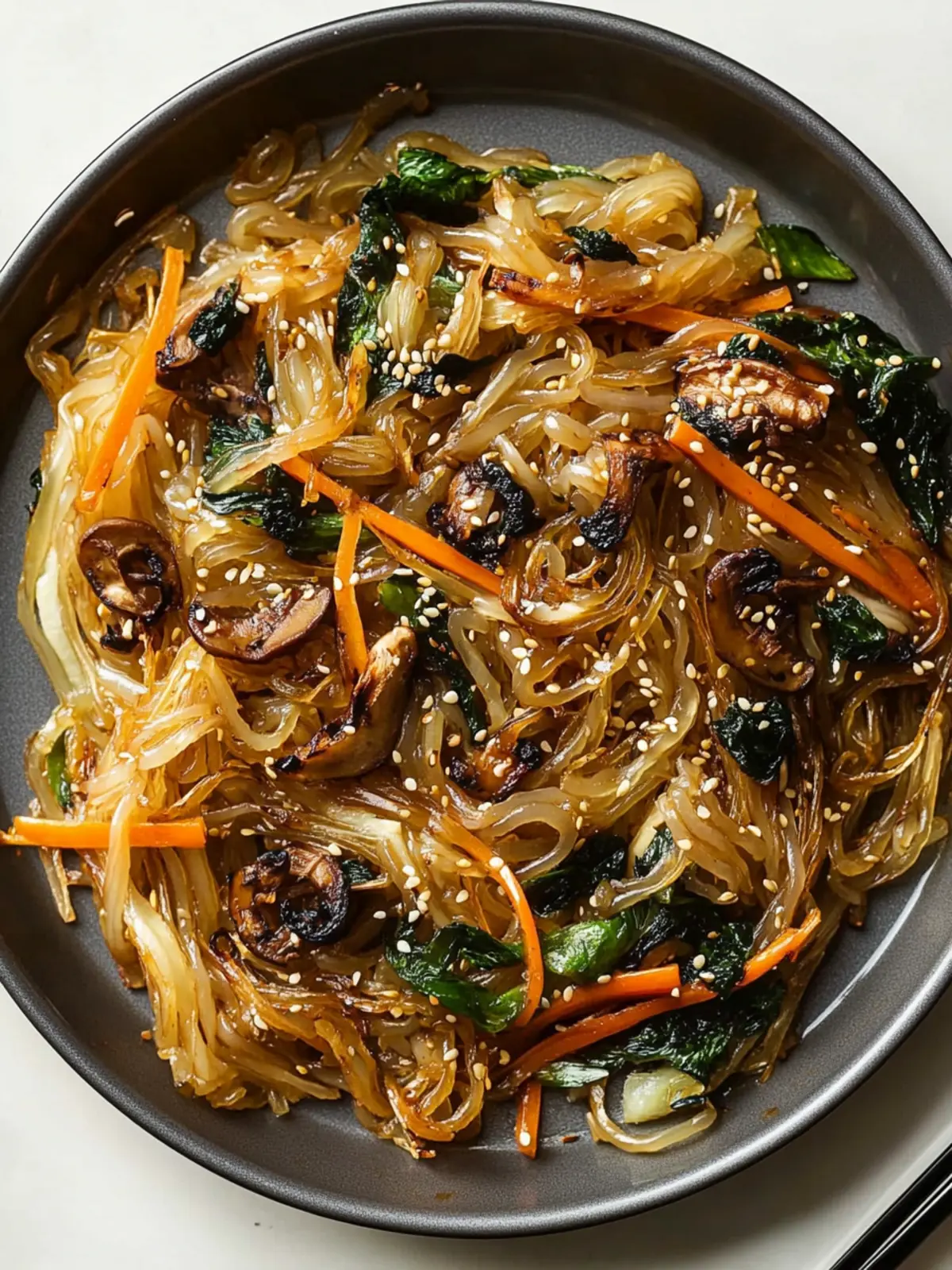
Make Ahead Options
These Sheet Pan Japchae are perfect for busy weeknights when you need a delicious meal with minimal effort! You can chop and prepare all your vegetables (spinach, mushrooms, and bell peppers) up to 24 hours in advance; just store them in an airtight container in the refrigerator to maintain their freshness. Additionally, feel free to cook the dangmyeon noodles beforehand and keep them covered in water to prevent them from sticking together. When you’re ready to serve, simply roast the prepped veggies as directed, combine them with the cooked noodles, and pour over your pre-mixed sauce. This way, you can enjoy a vibrant, homemade dinner that’s just as delightful and flavorful with very little fuss!
Sheet-Pan Japchae Variations
Feel free to customize your dish to match your preferences or dietary needs with these delightful twists!
-
Vegetable Medley: Add carrots and zucchini for a colorful crunch; they roast beautifully alongside your veggies.
-
Protein Boost: Incorporate tofu or chicken for added protein—marinate briefly in soy sauce for extra flavor.
-
Heat It Up: Introduce chili flakes or fresh sliced jalapeños to the sauce for a spicy kick.
-
Sweetener Swap: Replace dark brown sugar with agave syrup for a lower-glycemic alternative that maintains sweetness.
-
Nutty Flavor: Toss in chopped peanuts or cashews along with sesame seeds for added crunch and depth.
-
Different Noodles: Switch from dangmyeon to rice noodles or even zucchini noodles for a gluten-free and low-carb twist.
-
Asian Flair: Add a splash of rice vinegar to the drizzle for a tangy twist that complements the sweet notes.
-
Herbal Finish: Garnish with fresh cilantro or scallions for a bright and fresh flavor, elevating this dish to new heights!
What to Serve with Sheet Pan Japchae?
Elevate your dining experience by pairing this vibrant noodle dish with complementary sides and beverages that enhance its delightful flavors.
-
Steamed Basmati Rice: A simple side that soaks up extra sauce, providing a soft, fluffy contrast to the chewy noodles.
-
Korean Kimchi: This spicy and tangy fermented vegetable side adds a zesty kick and complements the umami-rich flavors of the japchae beautifully.
-
Sesame Broccoli Salad: Crunchy, lightly dressed broccoli adds freshness and a delightful texture contrast to the savory noodles.
-
Spicy Tofu Bites: Crispy tofu tossed in a chili sauce provides extra protein and heat, balancing the meal’s sweetness and enhancing its complexity.
-
Cucumber Salad: Cool and refreshing, a light cucumber salad dressed with rice vinegar adds brightness to every bite of japchae.
-
Green Tea: A soothing drink that complements the dish’s rich flavors, aiding digestion while adding a calming touch to your meal.
These options not only round out your table but also create a mini Korean feast that’s sure to impress your family or guests!
Expert Tips for Sheet-Pan Japchae
-
Vegetable Variety: Experiment with different vegetables like carrots or zucchini to add color and texture to your Sheet-Pan Japchae.
-
Don’t Overcook: Keep an eye on the noodles; they should be tender yet chewy. Overcooking can lead to a mushy texture.
-
Sauce Balance: Adjust the sweetness of your sauce by varying the brown sugar or maple syrup to match your taste preference.
-
Mix Thoroughly: Ensure all ingredients are well coated with the sauce for an even flavor throughout the dish.
-
Broiling Bonus: For an extra layer of flavor, consider broiling the vegetables for the last few minutes to enhance their caramelization.
Storage Tips for Sheet-Pan Japchae
Fridge: Store any leftovers in an airtight container in the refrigerator for up to 3 days to maintain freshness and flavor.
Freezer: You can freeze Sheet-Pan Japchae for up to 2 months. Portion it into freezer-safe containers and let it cool completely before sealing to prevent ice crystals.
Reheating: For the best texture, reheat leftovers in a skillet over medium heat until warmed through, stirring occasionally. You can add a splash of water or extra soy sauce to enhance moisture.
Room Temperature: Avoid leaving Sheet-Pan Japchae out at room temperature for more than 2 hours to ensure safety and quality.
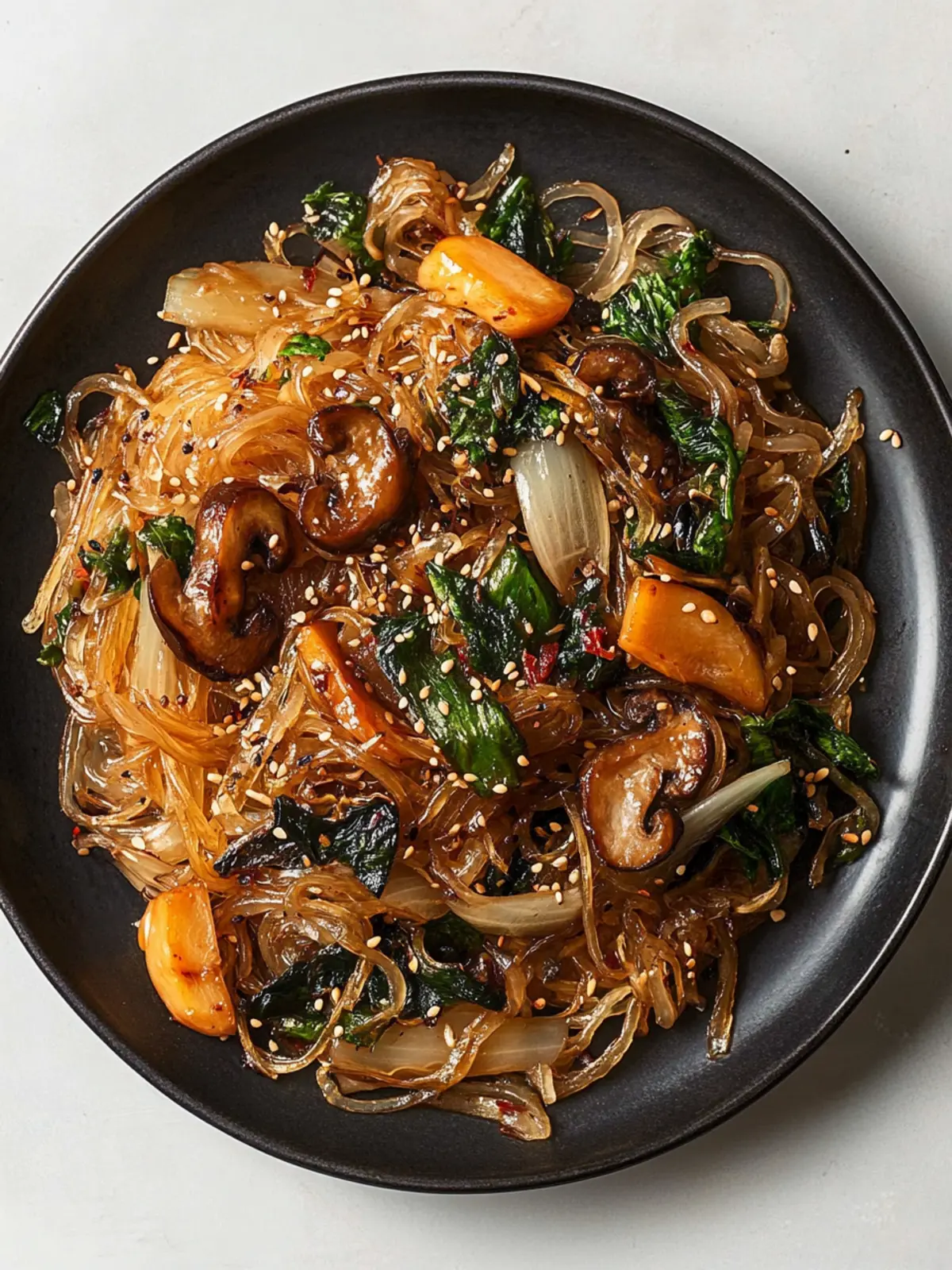
Sheet Pan Japchae Recipe FAQs
How do I choose the right vegetables for my Sheet Pan Japchae?
Absolutely! For a vibrant dish, select fresh and colorful vegetables that you enjoy. While this recipe calls for frozen chopped spinach, fresh spinach can also add texture and flavor. Shiitake mushrooms are commonly used for their umami taste, but feel free to swap them with other mushrooms like button or cremini. Bell peppers add sweetness and crunch, so any variety will do based on your preference.
How should I store leftover Sheet Pan Japchae?
Very! After enjoying your delicious meal, allow leftovers to cool, then transfer them to an airtight container. Refrigerate for up to 3 days. This way, you can enjoy it again while keeping the flavors fresh. If you prefer, you can also freeze it for up to 2 months. Just make sure to cool it completely first and seal it tightly in a freezer-safe container to avoid ice crystals.
Can I freeze Sheet Pan Japchae, and if so, how?
Of course! To freeze your Sheet Pan Japchae, portion it into freezer-safe containers after it has cooled completely. Ensure to leave some space in the container for the food to expand as it freezes. When you’re ready to enjoy your meal again, simply let it thaw overnight in the refrigerator, then reheat in a skillet over medium heat, adding a splash of water or soy sauce for moisture.
What if my noodles turn mushy during cooking?
Oh no! If that happens, it’s usually due to overcooking. To prevent this, make sure to keep an eye on the cooking time for your dangmyeon noodles, as they can become mushy if boiled too long. Follow the package instructions, which is typically around 6-7 minutes, and taste them a minute or two before the timer goes off. You want them to be tender but still chewy.
Is Sheet Pan Japchae suitable for gluten-free diets?
Absolutely! You can make Sheet Pan Japchae gluten-free by using gluten-free soy sauce and substituting the dangmyeon (which is made from sweet potatoes) with gluten-free rice noodles if needed. These adjustments will keep the dish flavorful and perfect for those with gluten sensitivities or celiac disease.
Can pets eat any of the ingredients in Sheet Pan Japchae?
Very! While many of the ingredients are safe for pets, it’s best to avoid sharing the full dish with them, as garlic and soy sauce can be harmful in larger amounts. If you want to share a little, make sure to offer plain cooked noodles (without seasoning) or vegetables like bell peppers and spinach in small quantities, ensuring they’re cooked well. Always consult your vet before introducing new foods to your pet’s diet.
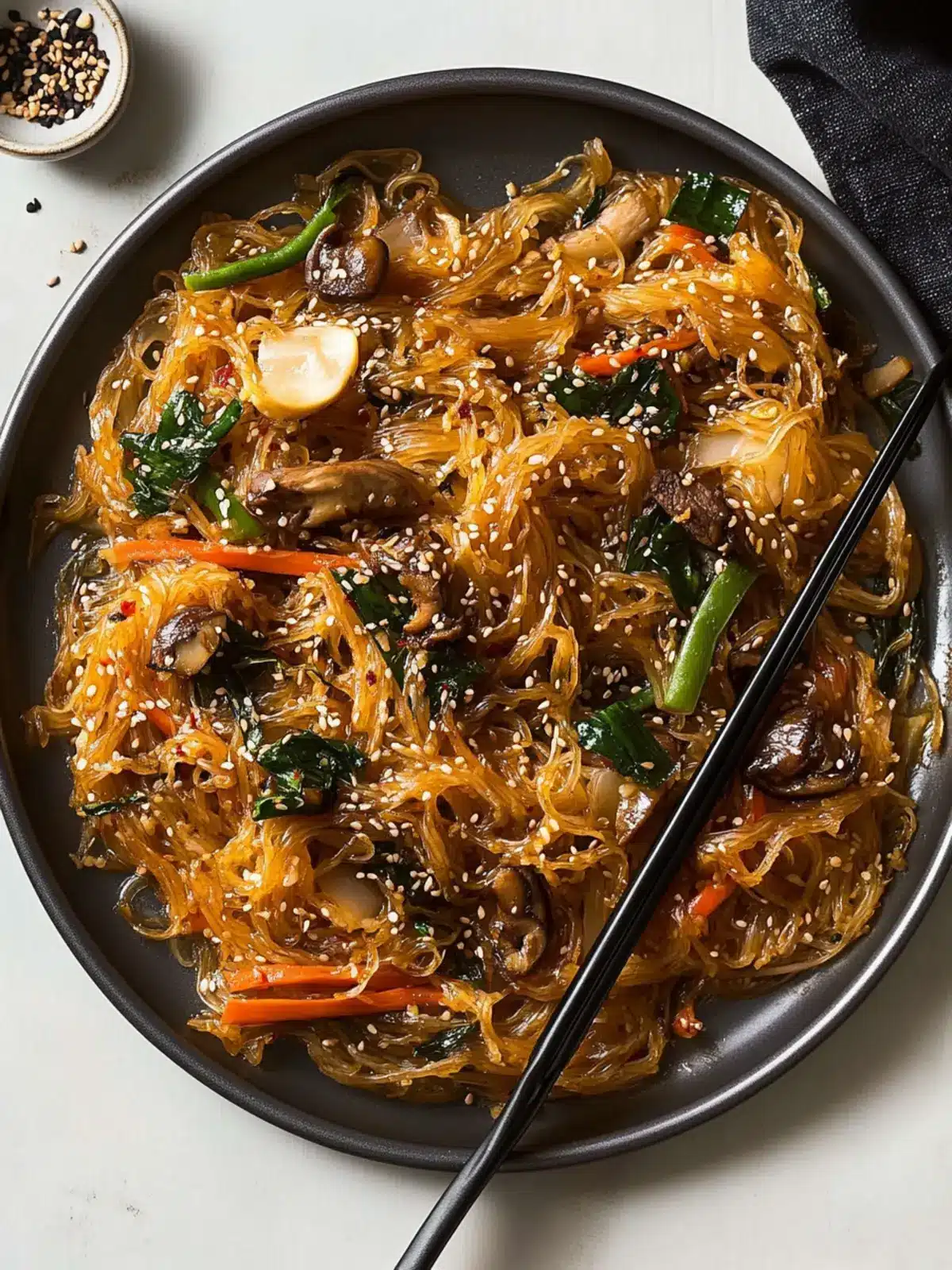
Quick and Colorful Sheet-Pan Japchae for Easy Weeknight Dinners
Ingredients
Equipment
Method
- Preheat your oven to 425°F (220°C).
- On a large sheet pan, spread out the frozen chopped spinach, shiitake mushrooms, and bell peppers. Drizzle with olive oil and season with salt and black pepper.
- Place the sheet pan in the oven to roast for 20-25 minutes.
- While the veggies are roasting, bring a pot of water to a boil. Cook the dangmyeon noodles for about 6-7 minutes, then drain.
- In a mixing bowl, combine minced garlic, soy sauce, dark brown sugar, maple syrup, and toasted sesame seeds.
- Once the veggies are roasted, add the drained noodles to the sheet pan, pour the sauce over, and toss gently.