
There’s a little magic that unfolds in the kitchen, especially when you’re whipping up a quick sauce that feels like a culinary adventure. I was feeling a bit nostalgic for the vibrant flavors of Thailand, and that’s when I landed on the recipe for Crying Tiger Sauce. This flavorful dipping delight comes together in just 10 minutes, making it the perfect addition to summer barbecues or casual weeknight dinners.
Imagine the bright tang of fresh lime mingling with the umami richness of fish sauce, all kissed by a hint of chili heat. This sauce is not just for the grill; it can elevate a simple salad or even pair beautifully with fresh vegetables. Plus, it’s fully customizable—whether you want to turn down the heat or swap fish sauce for soy sauce for a vegetarian twist, the possibilities are endless. Ready to add some tantalizing flair to your meals? Let’s dive into creating your new favorite dipping sauce!

Why Will You Love Crying Tiger Sauce?
Simplicity: This amazing sauce comes together in just 10 minutes, perfect for those busy weeknights or spontaneous gatherings.
Vibrant Flavors: The zesty lime and umami fish sauce create a taste explosion that will transport your taste buds straight to Thailand.
Customizable Heat: Not a fan of too much spice? Easily adjust the heat levels by adding fewer chilies or substituting them with milder alternatives.
Versatile Use: Enjoy it as a dipping sauce for grilled meats, drizzled over salads, or as a lively dressing for fresh vegetables.
Crowd-Pleasing: Your guests will love its unique flavor profile, making it a hit at any barbecue or dinner party.
Vegetarian-Friendly: Easily switch to soy sauce for a delicious vegetarian option, ensuring everyone can enjoy this dip! Don’t miss out on enhancing your meals with this delightful sauce!
Crying Tiger Sauce Ingredients
For the Sauce
• Lime Juice – Provides acidity and brightness; can substitute with lemon juice for a similar tartness.
• Fish Sauce – Adds umami depth; replace with soy sauce for a vegetarian alternative.
• Water – Adjusts consistency; use more or less depending on the desired thickness.
• Brown Sugar – Contributes sweetness to balance flavor; honey or maple syrup can be used as alternatives.
• Garlic – Adds aromatic flavor; minced garlic is best; garlic powder can be a substitute in a pinch.
• Lemongrass – Offers a fresh, citrusy taste; lemongrass paste can be used if fresh is unavailable.
• Green Onions – Adds a mild onion flavor; chives can be used instead.
• Cilantro – Enhances freshness and flavor complexity; can substitute with basil for a different herbal note.
• Thai Red Chili Peppers – Provides heat; jalapeños can be used for a milder version.
• Red Pepper Flakes – Adds additional spice; omit for a milder sauce.
• Toasted Rice Powder – Optional ingredient that adds texture; crushed peanuts can be used as a substitute for texture.
This flavorful combination is what makes Crying Tiger Sauce your new favorite Thai dipping delight!
How to Make Crying Tiger Sauce
-
Combine Ingredients: In a mixing bowl, mix lime juice, fish sauce, water, brown sugar, minced garlic, lemongrass, green onions, and cilantro until well blended. You want it to be combined smoothly, so take your time!
-
Add Heat: Stir in chopped Thai chilies and red pepper flakes until evenly distributed. The vibrant colors will brighten your mixture!
-
Taste and Adjust: Sample the sauce, adjusting lime juice, sugar, or chilies as necessary for the desired flavor balance. Remember, it should be a delightful combination of tangy and spicy.
-
Store or Serve: Serve immediately with grilled meats or refrigerate in an airtight container for up to 5 days. The flavors will meld beautifully with time!
Optional: Drizzle some toasted sesame oil for an extra nutty flavor.
Exact quantities are listed in the recipe card below.
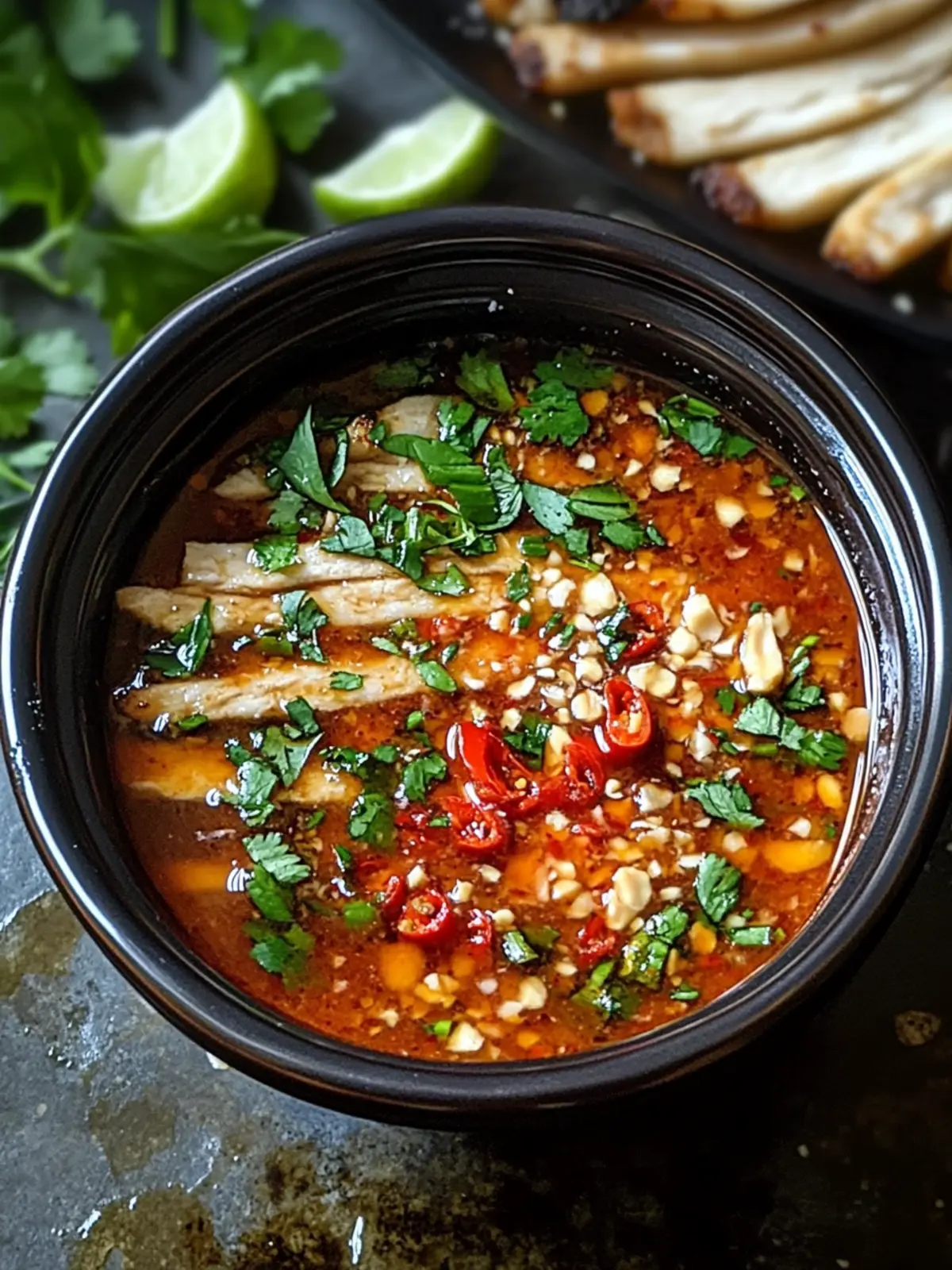
Make Ahead Options
Crying Tiger Sauce is a fantastic choice for make-ahead meal prep, bringing bold flavors to your table with minimal effort! You can prepare the sauce up to 5 days in advance, giving the flavors time to meld for a richer taste. To prep ahead, simply mix all the ingredients as directed and transfer the sauce to an airtight container. Store it in the refrigerator to maintain its freshness. When you’re ready to serve, give it a quick stir to ensure even distribution of flavors. This convenient method not only saves you time on busy weeknights but also guarantees that your dipping sauce will be just as delicious!
Crying Tiger Sauce Variations
Dive deeper into the world of flavors by customizing your Crying Tiger Sauce to suit your taste!
-
Mildly Spiced: Reduce the number of Thai chilies or substitute with bell peppers for a gentler heat. This way, everyone can enjoy the delicious taste without being overwhelmed.
-
Vegan Friendly: Swap fish sauce for miso paste or coconut aminos to create a vegan delight. The umami notes will still shine through, making each dip special.
-
Herb Alternates: Experiment with fresh herbs like mint or dill to add a refreshing twist. These flavors can create unique combinations ideal for summertime dishes!
-
Nutty Finish: A tablespoon of toasted sesame oil introduces a warm, nutty flavor that amplifies the sauce’s depth. It brings a rich vibe that pairs beautifully with grilled meats.
-
Citrus Zing: Add zest from a lime or lemon along with the juice for an extra punch of citrus. This brightens the sauce and enhances the fresh flavors even more.
-
Sweet Heat Boost: For a spicy-sweet sauce, mix in a teaspoon of chili paste or sauce with a touch of honey. This combination will create a fantastic balance that enhances every dish.
-
Crunchy Texture: Introduce some crushed peanuts or toasted sesame seeds as a topping when serving. This adds a satisfying crunch and elevates the overall experience.
Expert Tips for Crying Tiger Sauce
-
Ingredient Quality: Use fresh ingredients like firm limes and vibrant chilies for the best flavor in your Crying Tiger Sauce.
-
Spice Control: Adjust the heat by experimenting with different types of chilies; start small, as you can always add more.
-
Taste Test: Always taste your sauce before serving and gradually tweak the flavors; a little extra lime or sugar can make a big difference.
-
Creamy Variation: For a richer sauce, consider blending in some tahini or peanut butter, adding a unique twist to your Crying Tiger Sauce.
-
Serving Suggestions: Try it as a dressing over noodles or salads—this sauce is truly versatile and can brighten up many dishes!
-
Make-Ahead Magic: Prepare the sauce a day in advance for gatherings; the flavors deepen and meld beautifully overnight, enhancing deliciousness.
How to Store and Freeze Crying Tiger Sauce
Fridge: Store your Crying Tiger Sauce in an airtight container for up to 5 days. This allows the flavors to meld and become even more vibrant over time.
Freezer: If you want to keep it longer, freeze the sauce in ice cube trays. Once frozen, transfer the cubes to a freezer bag for up to 3 months.
Thawing: To use frozen sauce, simply take out the desired number of cubes and let them thaw in the fridge overnight or at room temperature for a couple of hours.
Reheating: Most often, you can enjoy the sauce cold, but if you’d like to warm it, heat gently in a saucepan over low heat, stirring until heated through.
What to Serve with Crying Tiger Sauce?
Elevate your dining experience with perfect pairings that bring out the flavors of this zesty Thai dip.
-
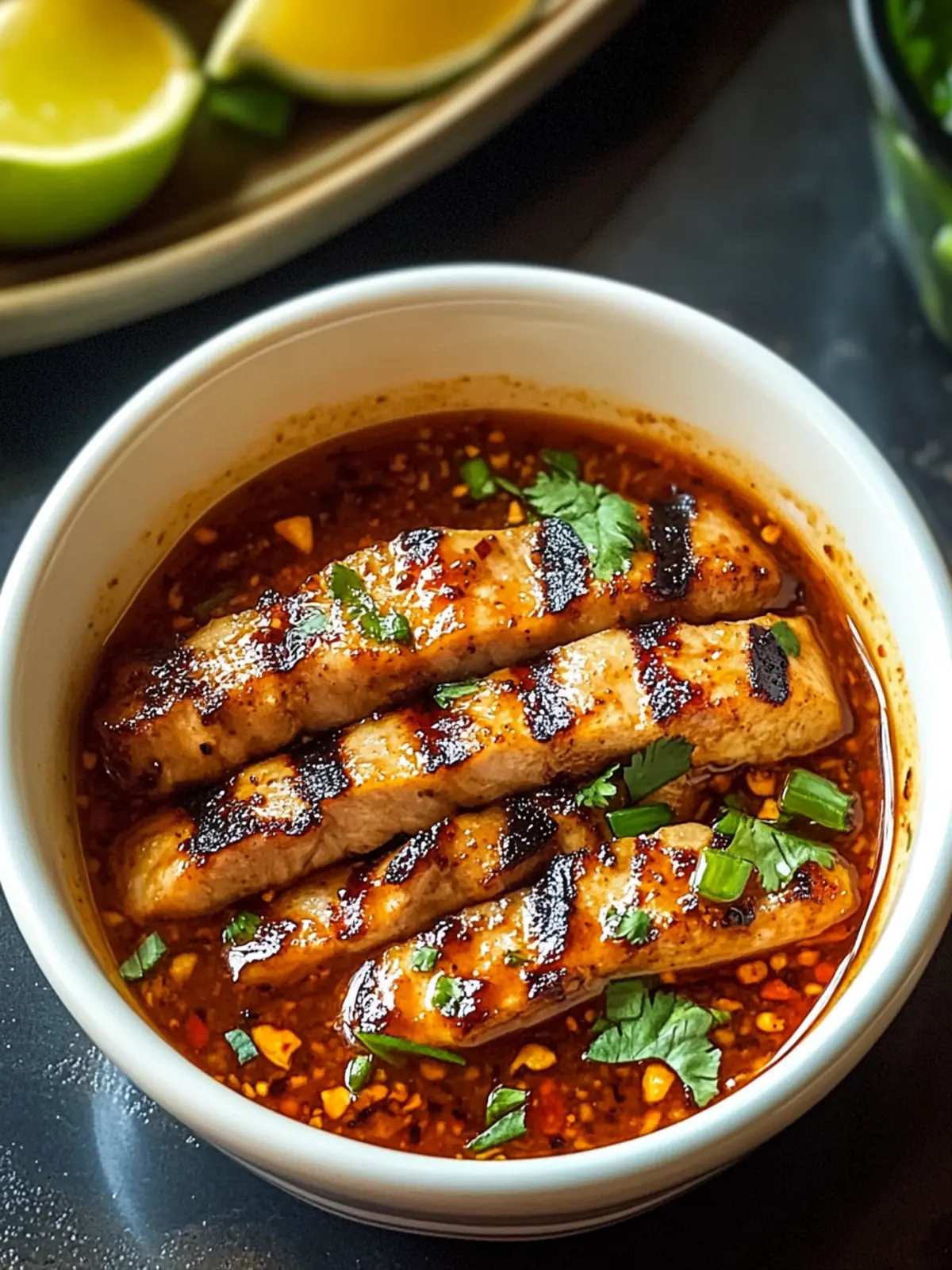
Grilled Meats: The smoky char of grilled chicken, steak, or pork tenderloin beautifully complements the vibrant and spicy notes of the sauce. Dip in for a flavor-packed bite!
-
Vegetable Spring Rolls: Fresh, crunchy spring rolls filled with crisp vegetables provide a delightful contrast to the tangy sauce, creating a refreshing and satisfying snack.
-
Thai Chicken Larb Gai: This herby salad of minced chicken is perfectly dressed with Crying Tiger Sauce, uniting flavors of heat and freshness in every mouthful.
-
Crispy Tofu: For a vegetarian option, crispy tofu slices drizzled with the sauce add an exciting texture and zesty flavor, enhancing the overall meal.
-
Rice Noodles: Toss some chilled rice noodles with a splash of Crying Tiger Sauce for a quick, flavorful salad that bursts with Thai-inspired flair.
-
Coconut Rice: The subtle sweetness of coconut rice pairs harmoniously with the tangy heat of the sauce, creating a balanced and comforting dish.
-
Fruit Salad: Brighten up a fruit salad with a drizzle of Crying Tiger Sauce that elevates the sweetness of tropical fruits, adding an unexpected kick.
-
Iced Thai Tea: Sip on a chilled Thai tea while enjoying your meal. The creamy, slightly spiced drink complements the tangy sauce perfectly, cleansing the palate beautifully.
-
Mango Sticky Rice: For dessert, end the meal with this classic Thai treat; the sweetness of sticky rice and ripe mango is a delightful way to round out the bold flavors of the sauce.
Crying Tiger Sauce Recipe FAQs
How do I choose the right lime for Crying Tiger Sauce?
To achieve the best flavor, look for limes that feel heavy for their size and have a smooth, shiny skin. Firm, juicy limes produce the freshest, tangiest juice. If you can find them, Persian limes are often preferred for their excellent flavor balance.
What’s the best way to store Crying Tiger Sauce?
Absolutely! Store your Crying Tiger Sauce in an airtight container in the refrigerator for up to 5 days. This will allow the flavors to continue to meld and enhance, making each day’s dip even more delicious. If you notice dark spots on the surface or any off-smell, it’s best to discard it.
Can I freeze Crying Tiger Sauce?
Yes, you can! Pour the sauce into ice cube trays and freeze. Once frozen, transfer the cubes into a freezer bag for up to 3 months. When you’re ready to use it, just thaw the desired number of cubes in the refrigerator overnight, or let them sit at room temperature for a couple of hours before serving.
What should I do if my sauce is too spicy?
If your Crying Tiger Sauce ends up hotter than you’d like, don’t worry! Start by adding a bit more water or lime juice to dilute the heat. You can also stir in some extra brown sugar to balance things out. Alternatively, consider blending in some creamy ingredients, like tahini or yogurt, to mellow the flavors.
Is there a vegetarian alternative to fish sauce in this recipe?
Absolutely! To make a vegetarian version of Crying Tiger Sauce, simply replace fish sauce with soy sauce. It will still provide a delightful umami flavor. If you want to mimic the saltiness of fish sauce, opt for a low-sodium variety and adjust to taste.
Are there any common allergies to consider with this sauce?
While Crying Tiger Sauce is generally safe, be mindful of those allergic to fish or soy, as the key ingredients can trigger reactions. If you’re serving a crowd, communicate these elements, and consider making a completely plant-based version by sticking with just lime juice, soy sauce, and sugars.
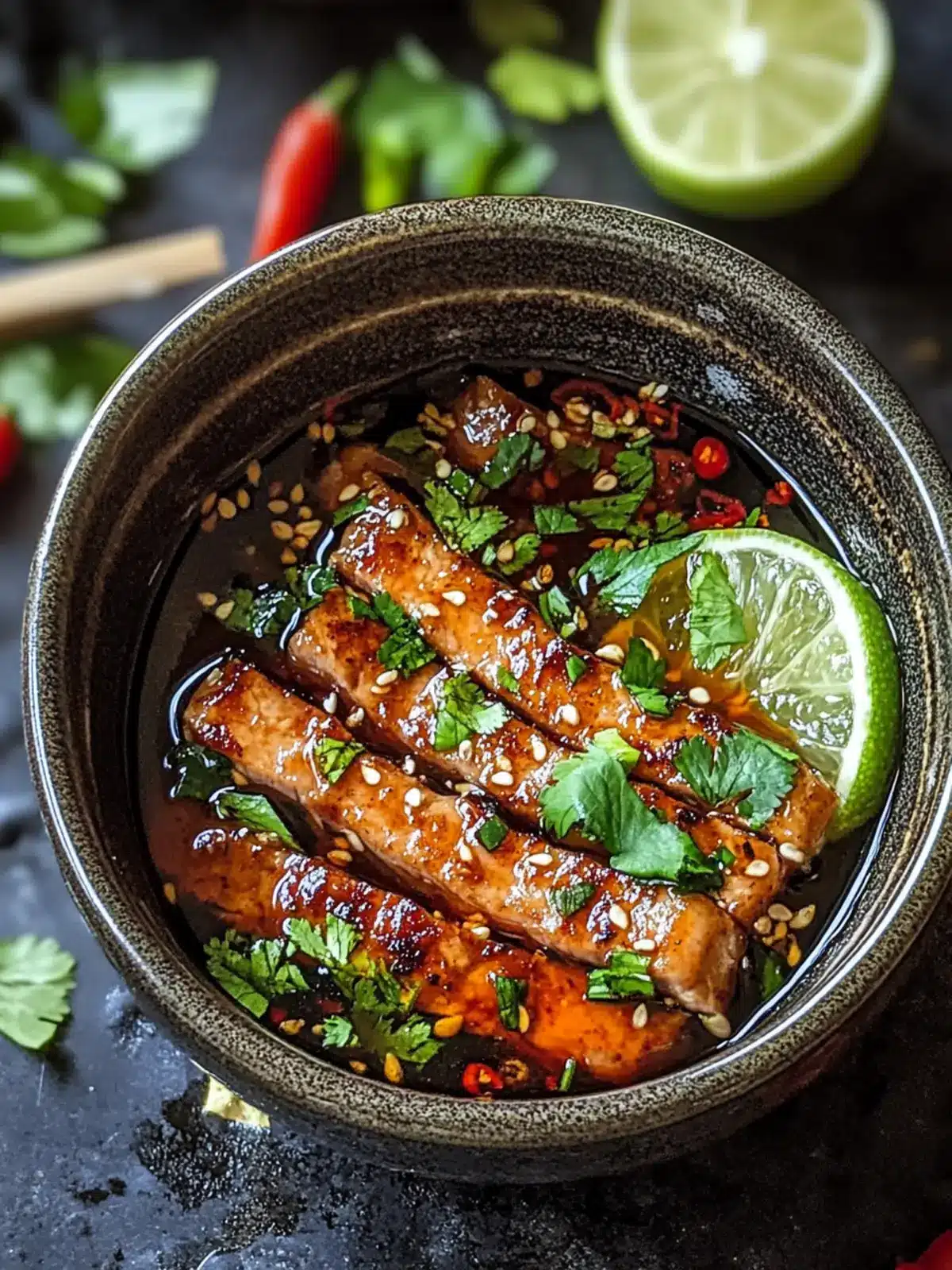
Crying Tiger Sauce: Your New Favorite Thai Dipping Sensation
Ingredients
Equipment
Method
- In a mixing bowl, mix lime juice, fish sauce, water, brown sugar, minced garlic, lemongrass, green onions, and cilantro until well blended.
- Stir in chopped Thai chilies and red pepper flakes until evenly distributed.
- Sample the sauce, adjusting lime juice, sugar, or chilies as necessary for the desired flavor balance.
- Serve immediately with grilled meats or refrigerate in an airtight container for up to 5 days.