
When the weekday hustle leaves little time for elaborate dinners, I find myself craving a dish that doesn’t just satisfy but brings a tapestry of flavors to the table. Enter my Gochujang Beef and Broccoli Bowl. The blend of tender ground beef with vibrant, roasted broccoli and a glossy, sweet-spicy sauce is nothing short of a delicious reprieve from the usual dinner routine.
As I reach for the gochujang, that rich, Korean red pepper paste, I can already picture the warmth it will add to this dish, making it not just a meal, but a comforting hug in a bowl. Perfect for busy nights, this recipe not only comes together in a flash but also invites creativity—whether you want to toss in some extra veggies or top it with a fried egg. Join me in transforming your dinner experience with this quick weeknight gem that promises to awaken your taste buds and bring everyone back for seconds!
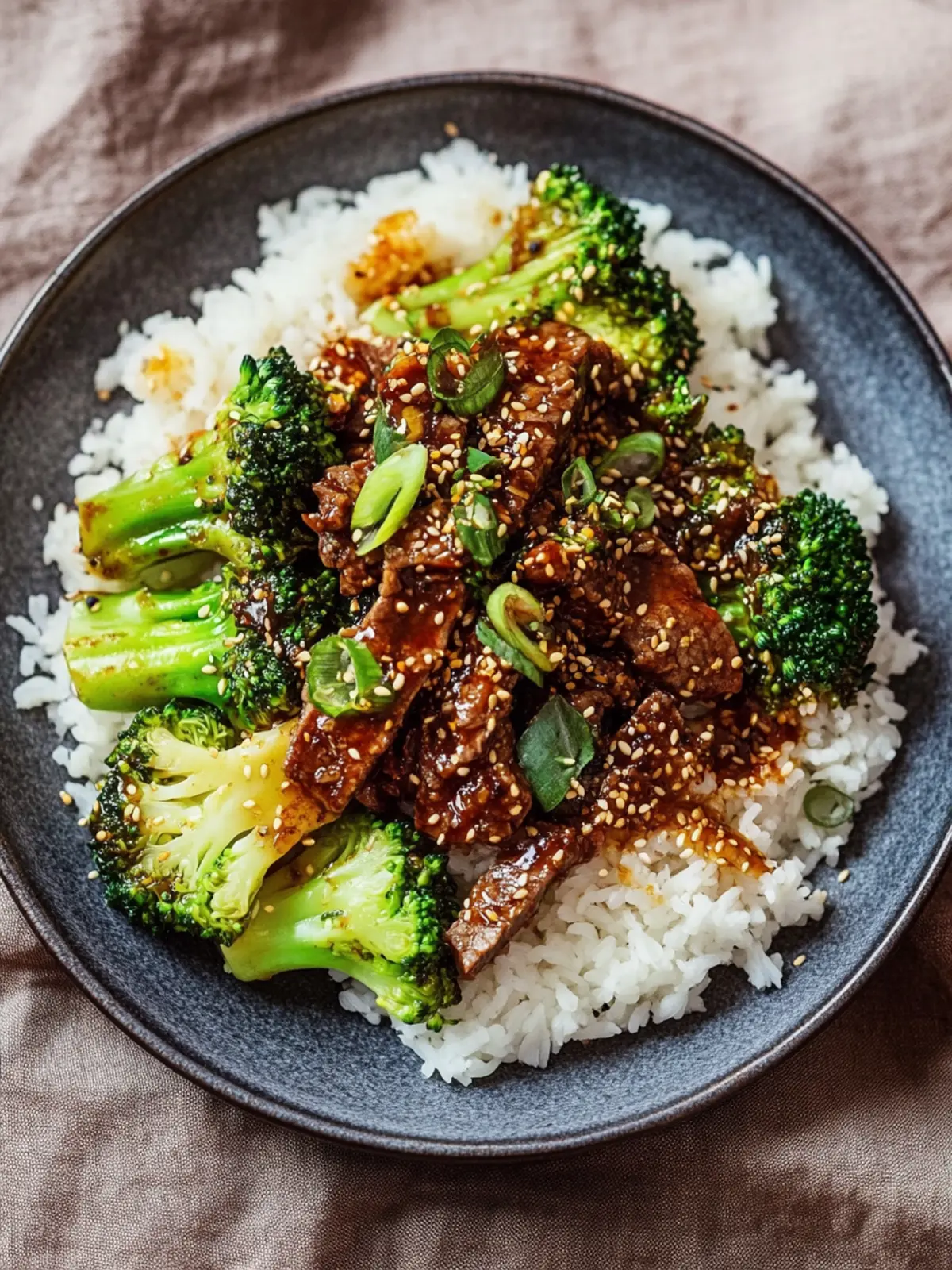
Why is Gochujang Beef and Broccoli a Must-Try?
Quick Prep: This recipe takes less than 30 minutes from start to finish, making it ideal for those hectic weeknights.
Flavor Bomb: The rich blend of gochujang and other ingredients creates an exciting depth of flavor that kicks your dinner up a notch.
Healthy Twist: Packed with lean protein and vibrant veggies, this bowl is not only satisfying but also nutrient-rich.
Customizable: Feel free to swap out the ground beef for turkey or tofu, and add your favorite veggies to personalize it.
Crowd-Pleaser: With its delightful balance of sweet and spicy, your family and friends will be asking for seconds, making it a hit at any dinner table!
Serving Suggestions: Pair it with pickled vegetables or kimchi for an authentic Korean touch.
Gochujang Beef and Broccoli Ingredients
For the Beef and Sauce
- Neutral Oil – Essential for cooking the beef and roasting vegetables; substitute with vegetable or canola oil if needed.
- Ground Beef (90/10) – Provides a rich flavor and juicy texture, or swap it with ground turkey or chicken for a lighter option.
- Yellow Onion – Adds a sweet, savory depth; shallots can work in a pinch if you don’t have onions.
- Low-Sodium Soy Sauce – Delivers umami and saltiness; use reduced-sodium tamari for a gluten-free alternative.
- Rice Vinegar – Balances the sweetness in the sauce; apple cider vinegar can be a suitable substitute.
- Brown Sugar – Adds a touch of sweetness; feel free to use honey or maple syrup for a different flavor profile.
- Gochujang – The star ingredient bringing the dish to life with its sweet-spicy kick; chili paste or sriracha can serve as alternatives.
- Gochugaru (divided) – This Korean chili flakes provide heat and vibrant color; crushed red pepper flakes can be adjusted to taste.
- Minced Ginger – Infuses warmth and freshness; can use store-bought or freshly grated ginger interchangeably.
- Sesame Oil – Adds a nutty flavor; omit if you have any allergies to sesame.
- Water – Utilized for simmering the beef and cooking the rice.
For the Base
- White Rice – Serves as the hearty base; swap in quinoa or brown rice for a healthier twist.
- Broccoli Florets – Provides crunch, color, and nutrients; you can substitute with cauliflower or snap peas for variation.
Optional Garnishes
- Cucumber – For a refreshing crunch.
- Avocado – Adds creaminess and richness.
- Sesame Seeds – Sprinkle for a nutty finish.
- Minced Scallions – Offers a fresh, pungent kick.
- Chopped Kimchi – Provides tanginess and a probiotic boost.
- Radishes – For an extra crunch and peppery flavor.
- Fried Egg – Adds richness and texture, making it even more delightful!
Explore the rich flavors of this Gochujang Beef and Broccoli Bowl that effortlessly transforms into a culinary adventure!
How to Make Gochujang Beef and Broccoli Bowl
-
Cook the Beef: Heat 1 tablespoon of oil in a skillet over medium heat. Add ground beef and break it apart with a spatula, cooking for about 10 minutes until browned. Incorporate sliced onions, sprinkle with a pinch of salt, and sauté for another 5-6 minutes until onions are tender and translucent.
-
Add Sauce Ingredients: Stir in low-sodium soy sauce, rice vinegar, brown sugar, gochujang, gochugaru, minced ginger, and sesame oil. Pour in ¼ cup of water, bring the mixture to a boil, then reduce the heat to low, covering and simmering for 15-20 minutes while stirring occasionally.
-
Prepare Rice: In a separate pot, combine white rice with 2 cups of water and a knob of butter if desired. Bring to a boil, reduce the heat, cover, and let it simmer for 15 minutes. Once cooked, let the rice rest off the heat for 10 minutes, allowing it to fluff up.
-
Roast Broccoli: On a baking sheet, toss broccoli florets in a drizzle of oil and remaining gochugaru. Spread them out evenly and roast in a preheated oven at 425°F for 15-20 minutes until the edges are evenly browned and crisp.
-
Serve: In serving bowls, spoon a generous layer of rice then top with the savory beef and roasted broccoli. Add optional garnishes like cucumber, avocado, sesame seeds, and a drizzle of sesame oil for that extra flair before serving to your family and friends.
Optional: Top with a fried egg for added richness.
Exact quantities are listed in the recipe card below.
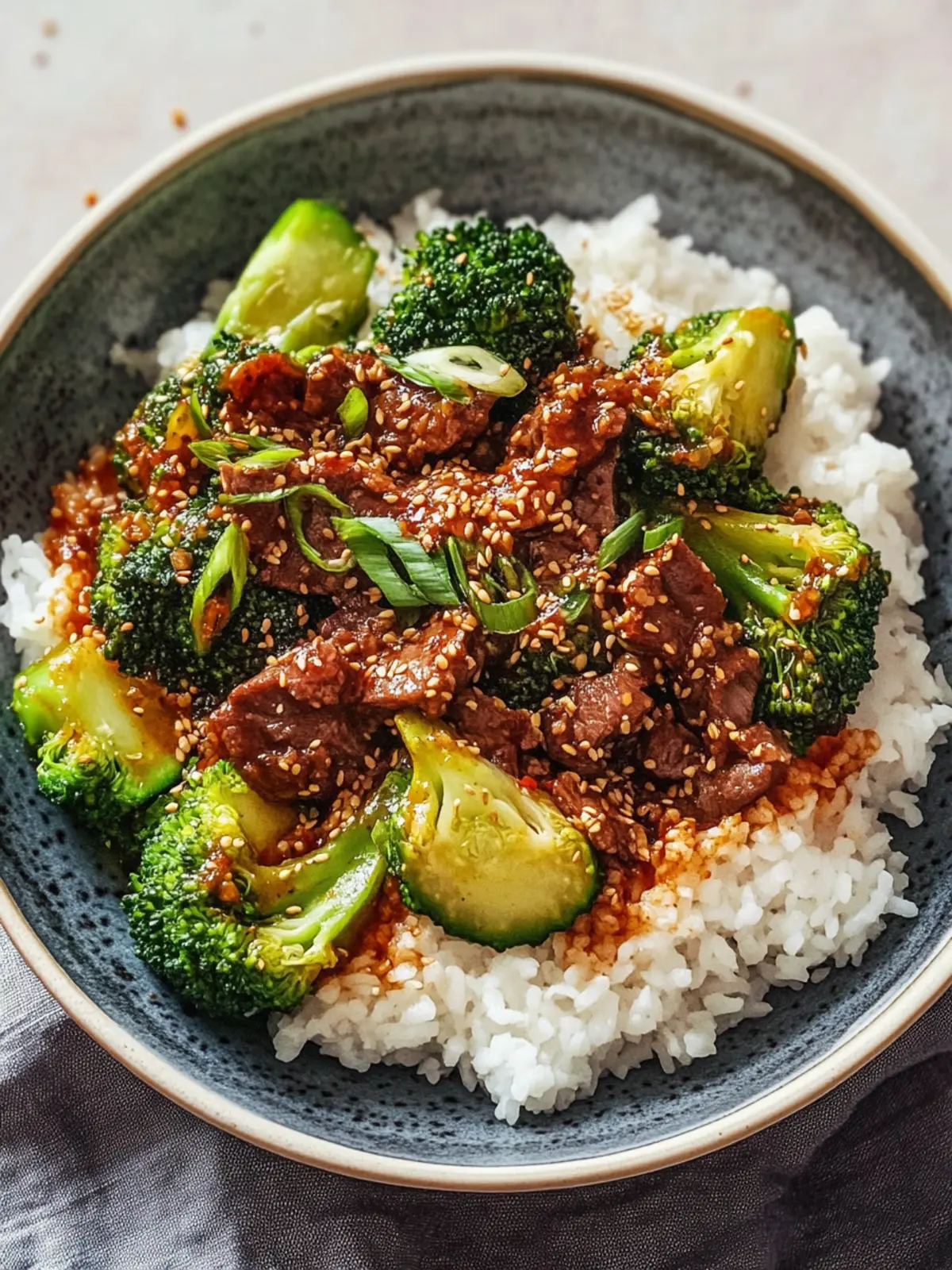
How to Store and Freeze Gochujang Beef and Broccoli
Fridge: Store leftovers in an airtight container for up to 3 days. Make sure the beef and broccoli are cooled to room temperature before sealing to maintain freshness.
Freezer: For longer storage, freeze the beef and broccoli in a freezer-safe container for up to 2 months. Separate rice into another container to prevent sogginess upon reheating.
Reheating: To enjoy your Gochujang Beef and Broccoli later, thaw in the refrigerator overnight and reheat gently on the stove over medium heat until warmed through. Add a splash of water if needed to keep it saucy.
Tips: Divide into single servings before freezing for easy meal prep!
Gochujang Beef and Broccoli Variations
Feel free to make this dish your own with these delicious twists and substitutions!
- Dairy-Free: Omit any butter in the rice cooking process and ensure no dairy is used in garnishes for a creamy touch.
- Vegetarian: Replace ground beef with crumbled tofu or tempeh for a protein-packed, meatless version that soaks up the sauce beautifully.
- Extra Veggies: Toss in bell peppers, snap peas, or carrots along with the broccoli for a colorful, nutritious boost that adds textures and flavors.
- Spicy Kick: Add sliced jalapeños or a drizzle of hot chili oil when the beef simmers for a fiery flavor explosion that spice lovers will adore.
- Noodle Bowl: Swap out rice for your favorite noodles, such as udon or rice noodles, for a comforting twist that enhances the dish with a chewy texture.
- Low-Carb Option: Use cauliflower rice instead of white rice for a simple and healthy alternative that still captures the dish’s essence.
- Sweet Heat: Mix in a tablespoon of pineapple or mango chutney with the sauce for a delightful explosion of sweetness that pairs surprisingly well with the spice.
- Crispy Finish: Top with crispy fried shallots or garlic for an unexpected crunch that elevates every bite, creating a delightful contrast to the tender beef and vegetables.
Explore these variations to spark your culinary creativity and customize your Gochujang Beef and Broccoli bowl just the way you like it!
Make Ahead Options
These Gochujang Beef and Broccoli Bowls are perfect for busy home cooks looking to save time during the week! You can prep the beef and sauce mixture up to 24 hours in advance; simply cook the ground beef and then combine it with the sauce ingredients. Store it in an airtight container in the refrigerator to maintain flavor. Additionally, you can roast the broccoli and cook the rice ahead of time, storing them separately for up to 3 days. When you’re ready to serve, simply reheat the beef mixture and broccoli, warm the rice, and assemble the bowls with your favorite garnishes. This way, you’ll get a delicious, home-cooked meal without any hassle!
Expert Tips for Gochujang Beef and Broccoli Bowl
-
Look for Lean Beef: Choose ground beef with a fat content of 90/10 for a balance of flavor without excessive grease.
-
Customize Spice Level: Gochujang can vary in heat; taste as you go and adjust the quantity to suit your palate for the perfect sweet-spicy balance in your beef and broccoli.
-
Prep Ingredients Ahead: Chop your veggies and measure out your sauces before you start cooking. A little prep goes a long way in streamlining the cooking process.
-
Watch Broccoli Closely: Keep an eye on the broccoli while it roasts; it should be tender and slightly crisped, but not burned—check at the 15-minute mark!
-
Serve Fresh: Garnishes add freshness and visual appeal. Don’t skip them! They elevate your Gochujang Beef and Broccoli Bowl, making it irresistible.
What to Serve with Gochujang Beef and Broccoli Bowl?
Elevate your dinner experience by pairing this savory and slightly spicy dish with delightful sides that complement its vibrant flavors.
- Crispy Garlic Green Beans: The crunchy texture and garlicky notes provide a fresh contrast to the rich beef and broccoli.
- Steamed Jasmine Rice: A fragrant, fluffy base that absorbs the savory sauce beautifully, enhancing each bite of the bowl.
- Quick Pickled Vegetables: Tangy and refreshing, these add brightness and cut through the richness, making for a well-rounded meal. A mixture of carrots and radishes works wonders!
- Asian Salad: Tossed with sesame dressing, this salad introduces a light and refreshing crunch, adding a vibrant color palette to your dinner table.
- Spicy Kimchi: Serve this fermented delight on the side for a punchy kick that elevates the flavors of gochujang beautifully.
- Miso Soup: A warm bowl of miso soup adds comforting umami and complements the Korean flavors of your main dish. It’s soothing and simple!
- Cucumber Salad: This cool salad, lightly dressed, offers refreshing relief from the dish’s heat and contributes a satisfying crunch.
- Chilled Sake or Green Tea: For a beverage pairing, opt for chilled sake, which enhances the umami experience, or a soothing green tea, perfect for winding down.
- Mango Sticky Rice: To conclude the meal, serve this sweet Thai dessert which adds a delightful sweetness, balancing the savory notes from earlier.
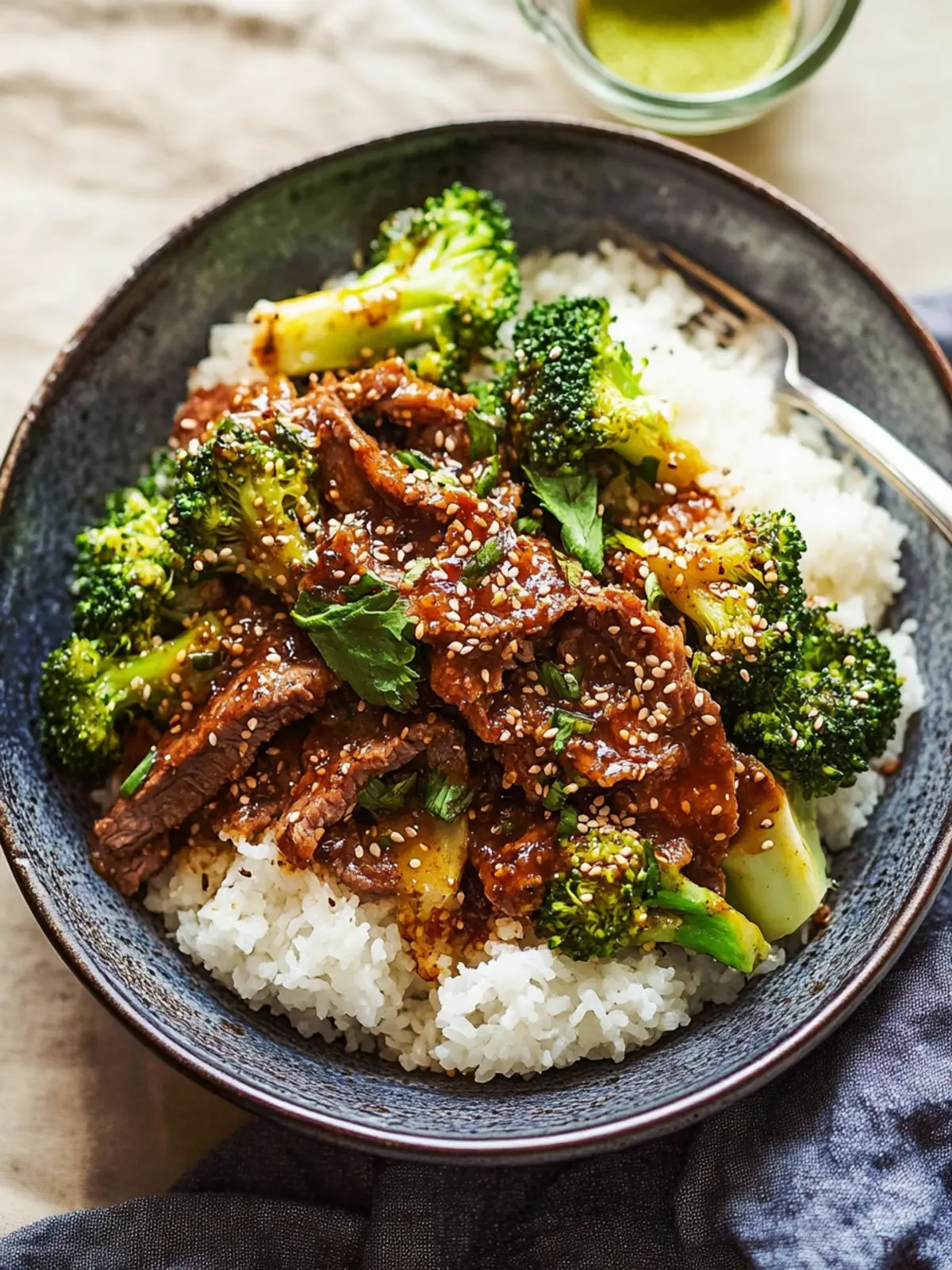
Gochujang Beef and Broccoli Recipe FAQs
What type of ground beef should I use?
I recommend using ground beef with a fat content of 90/10, which provides a nice balance of flavor and juiciness without excessive grease. If you’re looking for a lighter alternative, ground turkey or chicken can also work beautifully in this recipe.
How should I store leftover Gochujang Beef and Broccoli?
For storage, place any leftovers in an airtight container and keep them in the refrigerator for up to 3 days. Make sure to let the dish cool to room temperature before sealing the container to help maintain its freshness.
Can I freeze Gochujang Beef and Broccoli?
Absolutely! To freeze, transfer the beef and broccoli mixture into a freezer-safe container. You can freeze it for up to 2 months. I often recommend storing rice separately to prevent it from becoming soggy during reheating.
What if my broccoli isn’t roasting properly?
If your broccoli isn’t getting that nice roasted finish, make sure you’ve tossed it well in oil and seasonings to promote even cooking. Also, a hot oven (425°F) helps in achieving crisp-tender broccoli. Check around the 15-minute mark and give it a toss to ensure it browns evenly!
Can I make this dish gluten-free?
Yes! For a gluten-free version, you can substitute low-sodium soy sauce with reduced-sodium tamari. Additionally, double-check that your gochujang is gluten-free, as some brands may contain wheat.
Are there any allergy considerations I should keep in mind?
Definitely! If you’re allergic to sesame, you can omit the sesame oil entirely. And for those with spice sensitivities, start with a smaller amount of gochujang and gochugaru, adjusting to your taste preference.
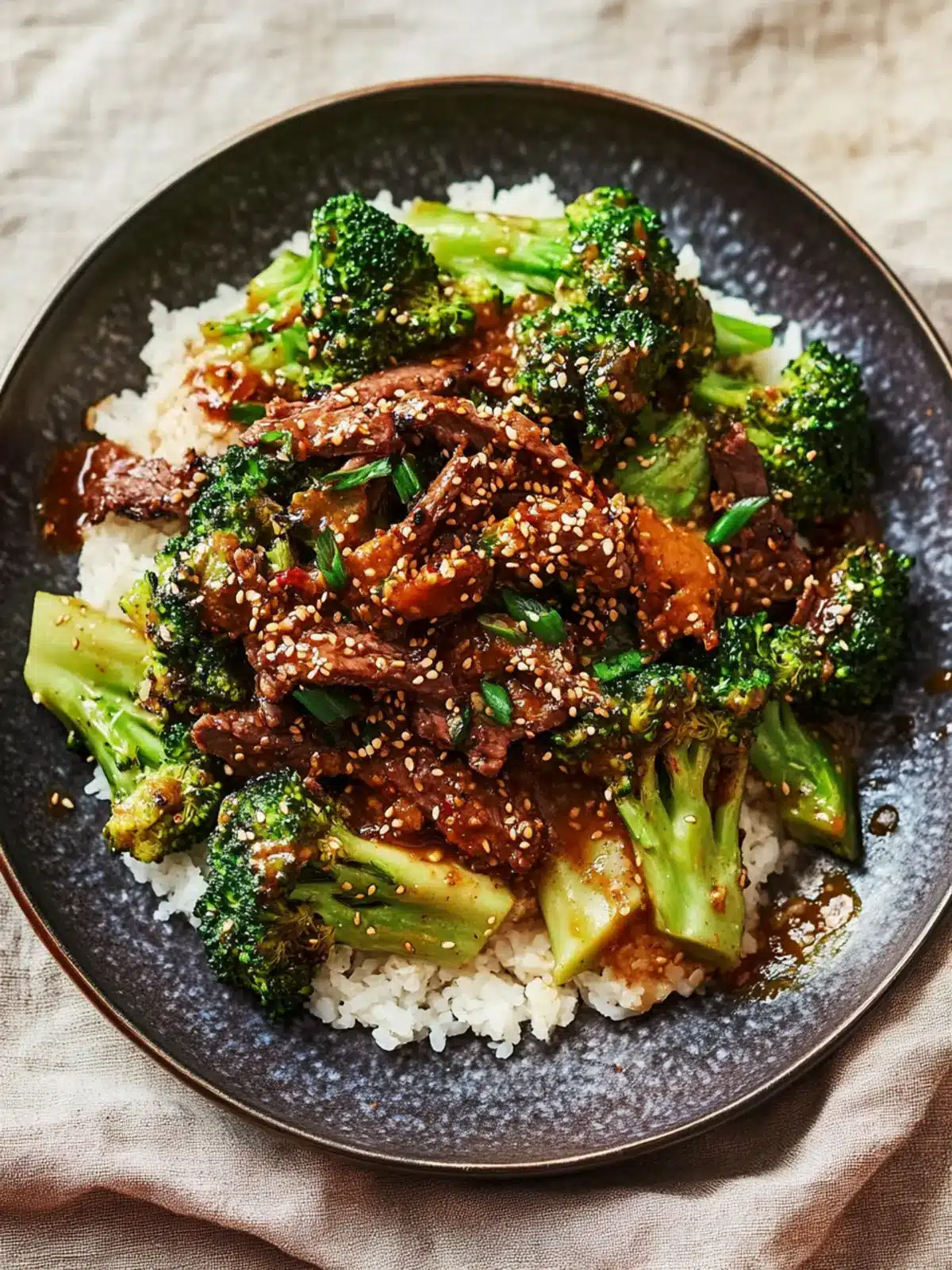
Gochujang Beef and Broccoli: Quick, Spicy Delight at Home
Ingredients
Equipment
Method
- Heat 1 tablespoon of oil in a skillet over medium heat. Add ground beef and break it apart with a spatula, cooking for about 10 minutes until browned. Incorporate sliced onions, sprinkle with a pinch of salt, and sauté for another 5-6 minutes until onions are tender and translucent.
- Stir in low-sodium soy sauce, rice vinegar, brown sugar, gochujang, gochugaru, minced ginger, and sesame oil. Pour in ¼ cup of water, bring the mixture to a boil, then reduce the heat to low, covering and simmering for 15-20 minutes while stirring occasionally.
- In a separate pot, combine white rice with 2 cups of water and a knob of butter if desired. Bring to a boil, reduce the heat, cover, and let it simmer for 15 minutes. Once cooked, let the rice rest off the heat for 10 minutes, allowing it to fluff up.
- On a baking sheet, toss broccoli florets in a drizzle of oil and remaining gochugaru. Spread them out evenly and roast in a preheated oven at 425°F for 15-20 minutes until the edges are evenly browned and crisp.
- In serving bowls, spoon a generous layer of rice then top with the savory beef and roasted broccoli. Add optional garnishes like cucumber, avocado, sesame seeds, and a drizzle of sesame oil for that extra flair before serving.