
As I stood in my kitchen, the enticing scent of marinated beef filled the air, instantly awakening my hunger and transporting me to a bustling Tokyo street food market. It was during one of those weeknight rushes when the allure of quick meals tempted me — that’s when I discovered the magic of Beef Yakiniku. This Japanese-style dish showcases beautifully marbled, thinly-sliced steak soaked in a savory-sweet marinade that brings a delightful burst of flavor to your plate.
Perfect for busy evenings, Beef Yakiniku not only satisfies your cravings for something hearty but also offers the convenience of a meal ready in under 30 minutes. Pair it with fluffy rice and crisp vegetables for a protein-rich feast that transforms mundane dinners into memorable culinary moments. Trust me, once you taste the sweet warmth and tender texture of this dish, you’ll want to make it a regular star on your dining table!

Why is Beef Yakiniku a Must-Try Dish?
Simplicity at its finest: With just a few ingredients and straightforward steps, you can whip up this flavorful dish in under 30 minutes.
Rich, savory marinade: The combination of soy sauce, gochujang, and ginger creates a wonderfully complex flavor that will tantalize your taste buds.
Protein-packed meal: Serving this dish with rice and fresh vegetables provides a nutritious dinner that’s both filling and satisfying.
Versatile options: Feel free to customize with different cuts of beef or add veggies for a complete meal.
Crowd-pleaser: Perfect for weeknight dinners or impressing guests, everyone will rave about this delicious dish. No wonder it’s a favorite in both Japanese cuisine and home kitchens!
Beef Yakiniku Ingredients
For the Marinade
- Flank or Skirt Steak (750 g / 1.65 lbs) – The main protein source that adds richness; remember to slice against the grain for tender bites.
- Low-sodium Light Soy Sauce (80 ml / ⅓ cup) – Provides a deep umami flavor; substitute with tamari for a gluten-free option.
- Gochujang (½ tbsp) – This adds spiciness and complexity; for a milder taste, you can use sriracha or chili paste instead.
- Mirin (1 tbsp) – Sweetens the dish beautifully; adjust sweetness according to your taste preference.
- Minced Ginger (2 tsp) – Offers fresh zest; fresh ginger enhances the dish’s flavor significantly.
For Cooking
- Garlic Powder (½ tsp) or Garlic Paste (1 tsp) – Infuses depth and aroma into the marinade; use fresh garlic if you prefer a stronger flavor.
- Sesame Oil (1 tbsp) – A crucial ingredient for an authentic flavor, bringing a nutty richness to the dish.
- Neutral Oil (1 tbsp, e.g., avocado or rapeseed) – Necessary for frying at high heat without burning.
For the Balance
- Light Brown Sugar (4 tbsp) – Balances out savory and spicy flavors; adjust based on how sweet you like it.
- Sesame Seeds – Great for garnishing, adding visual appeal and a delightful texture.
- Boiled Rice – Acts as a hearty base for your Beef Yakiniku, and you can use cauliflower rice for a low-carb alternative.
- Chopped Cucumber and Tomato – These fresh veggies add crunch and brightness to your meal, enhancing the overall experience.
Embrace the delightful essence of Beef Yakiniku with these carefully selected ingredients, perfect for a quick and fulfilling meal!
How to Make Beef Yakiniku
-
Prepare the Marinade: In a mixing bowl, whisk together the soy sauce, gochujang, mirin, minced ginger, garlic, sesame oil, neutral oil, and brown sugar until well combined. This flavorful mix will make your beef shine!
-
Marinate the Steak: Coat the thinly sliced beef evenly in the marinade. Cover the bowl and refrigerate for 2 hours to let those mouthwatering flavors soak in for optimal taste.
-
Preheat the Pan: Heat a wok or large skillet until it’s smoking hot. To keep the cooked beef warm, pop a serving bowl into the oven on low.
-
Cook the Steak: Fry the marinated steak in two batches. Sear each side undisturbed for about 3 minutes. Then stir for another 2-3 minutes until they are beautifully caramelized. Transfer the cooked beef to the warm bowl after each batch.
-
Garnish and Serve: Once all the beef is cooked, sprinkle sesame seeds generously on top. Serve it right away with fluffy boiled rice and chopped cucumber and tomato for a refreshing crunch!
Optional: Drizzle with a little extra sesame oil for an additional layer of flavor.
Exact quantities are listed in the recipe card below.
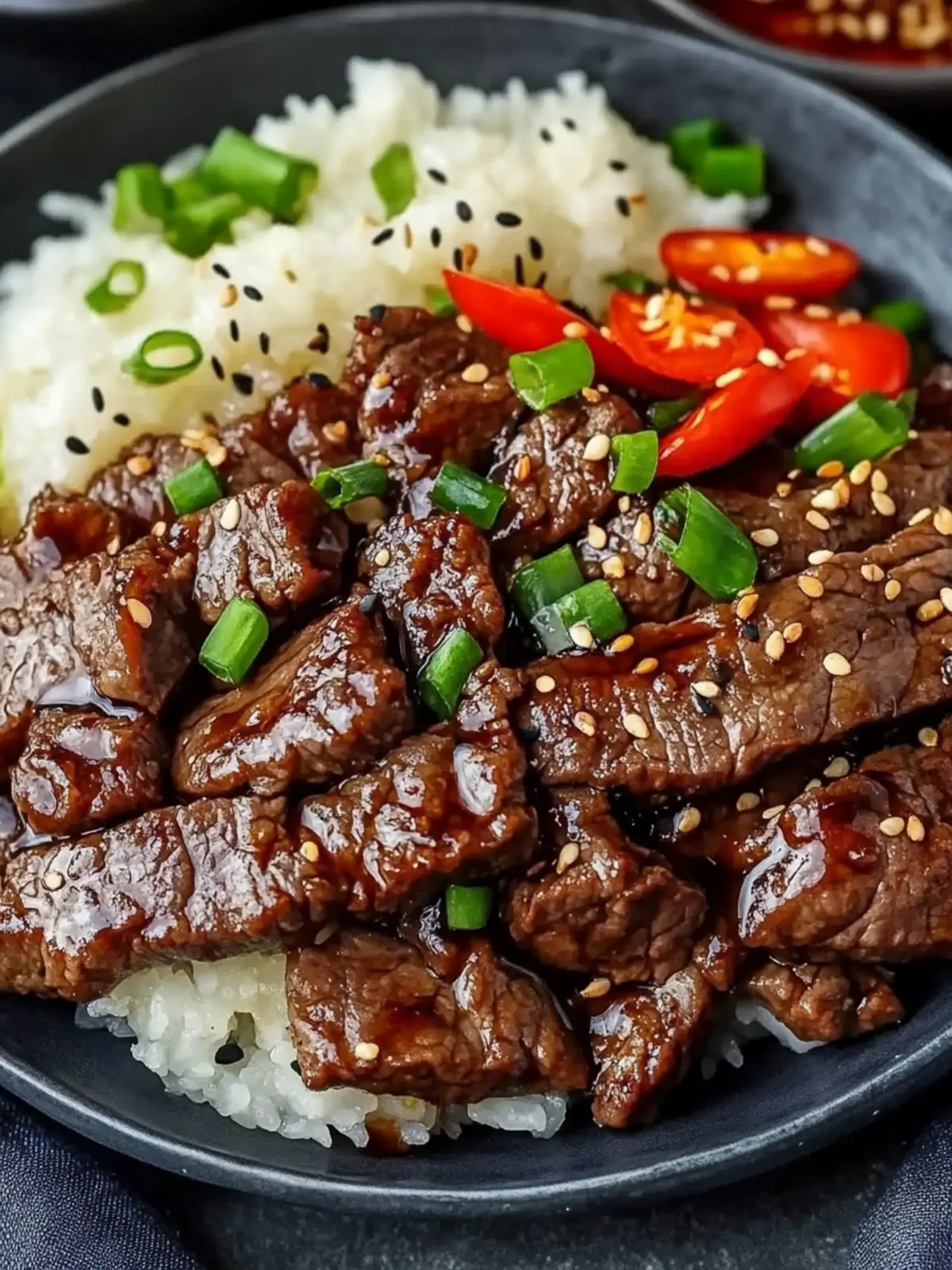
Beef Yakiniku Variations
Feel free to adapt this recipe to suit your tastes and dietary needs, creating delightful spins on this classic dish.
-
Different Cuts: Substitute flank or skirt steak with sirloin or ribeye for a richer flavor experience. Each cut brings its own unique texture and taste.
-
Vegetable Boost: Add bell peppers, mushrooms, or shredded carrots to the stir-fry for added nutrition and crunch. This not only enhances the meal but adds vibrant colors, making it visually appealing.
-
Gluten-Free Delight: For a gluten-free option, swap soy sauce with tamari or coconut aminos. These alternatives will maintain that essential umami flavor without compromising your dietary needs.
-
Sweet Heat: Incorporate a touch of honey or a sprinkle of brown sugar to enhance the sweetness of the marinade. This can create a lovely caramelized exterior when cooked.
-
Spicy Kick: Elevate the heat by including more gochujang or adding chili flakes to the marinade. Spice it up to match your heat preference!
-
Aromatic Twist: Use fresh herbs like cilantro or green onions as a garnish for an aromatic finish that brightens each bite. Freshness can elevate the overall flavor immensely.
-
Rice Alternatives: For a healthier option, serve with cauliflower rice or quinoa instead of traditional boiled rice. This twist keeps it low-carb while still being filling.
-
Additional Garnishes: Top with sliced radishes or pickled ginger to add tangy flavor and a delightful crunch. It’s those little details that can make a big difference!
How to Store and Freeze Beef Yakiniku
Fridge: Store cooked Beef Yakiniku in an airtight container for up to 3 days. Reheat gently in the microwave or on the stovetop until heated through.
Freezer: For longer storage, freeze marinated beef for up to 2 months. Thaw in the fridge overnight before cooking for the best texture and flavor.
Reheating: When reheating, do so over low heat to avoid drying out the beef. A splash of water or broth can help keep it juicy.
Make-Ahead Tip: Marinate the beef a day in advance for enhanced flavor. This adds convenience and ensures a delicious meal is just a cook away!
Expert Tips for Beef Yakiniku
-
Meat Matters: Ensure your flank or skirt steak is thinly sliced against the grain for the most tender bites. If needed, freeze the meat briefly for easier slicing.
-
High Heat: Use a smoking hot wok for cooking; this is crucial for achieving that delightful caramelization. Avoid overcrowding the pan to ensure even cooking.
-
Marination Time: For deeper flavors, allow the beef to marinate for up to 24 hours if your schedule permits. Just be sure to cook it right before serving for optimal texture.
-
Garnish Smartly: Don’t skip the sesame seeds! They add a lovely visual appeal and a satisfying crunch to your Beef Yakiniku dish.
-
Customize Wisely: Feel free to experiment with different protein options or add seasonal vegetables to your Beef Yakiniku for a nutritious twist.
Make Ahead Options
Beef Yakiniku is a fantastic choice for meal prep, allowing you to enjoy a delicious home-cooked dinner on busy nights. You can marinate the beef up to 24 hours in advance for enhanced flavor. Simply follow the marinade preparation steps and refrigerate the coated beef in an airtight container. Additionally, any cooked Beef Yakiniku can be stored in the refrigerator for up to 3 days, maintaining its tender quality. When ready to serve, simply reheat the beef in a hot pan for a few minutes. This way, you’ll have a quick and satisfying meal that tastes just as delightful as freshly cooked!
What to Serve with Beef Yakiniku?
To create a well-rounded dining experience, consider these delightful pairings that enhance the savory richness of your beef dish.
-
Fluffy White Rice: This classic pairing absorbs the delicious marinade and balances the savory flavors, making each bite satisfying.
-
Chilled Cucumber Salad: The crunchiness and coolness of cucumbers add a refreshing contrast, brightening up the meal and cutting through the richness of the beef.
-
Sautéed Bok Choy: With its tender leaves and crisp stalks, bok choy adds a subtle smoky sweetness and packs a nutritious punch alongside your Yakiniku.
-
Sesame Garlic Green Beans: Crisp-tender green beans drizzled with sesame oil and garlic complement the rich flavors beautifully, enhancing the umami in the beef.
-
Miso Soup: A warm bowl of miso soup provides comfort and depth, offering a light starter that pairs wonderfully with grilled beef.
-
Fruit-Infused Green Tea: A refreshing drink like sweetened green tea infused with slices of citrus or berries cleanses the palate and enhances the meal’s overall enjoyment.
Embrace these pairings to elevate your Beef Yakiniku experience, transforming a quick dinner into a feast that delights every sense.
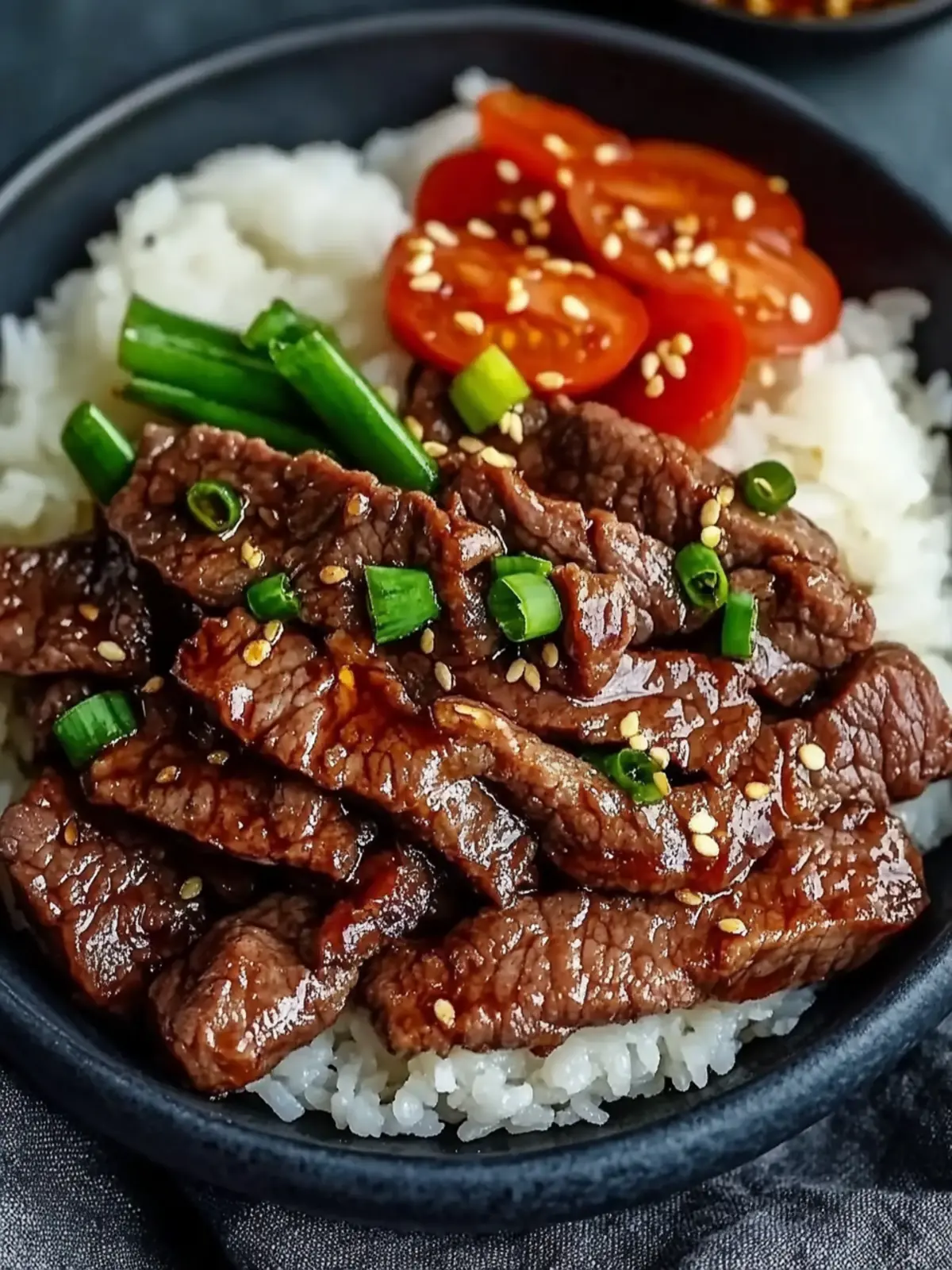
Beef Yakiniku Recipe FAQs
How do I select the right beef for Yakiniku?
Choosing flank or skirt steak is ideal for Beef Yakiniku as these cuts are well-marbled and slice easily for tender results. Look for meat that is bright red with a good amount of fat for flavor. If you prefer a different cut, sirloin or ribeye can also work beautifully.
How should I store leftover Beef Yakiniku?
Store your cooked Beef Yakiniku in an airtight container in the refrigerator for up to 3 days. Be sure to allow it to cool before sealing it to prevent condensation, which can make it soggy. When reheating, use low heat on the stovetop or microwave for best results.
Can I freeze Beef Yakiniku?
Absolutely! For longer storage, you can freeze marinated beef for up to 2 months. To freeze, place the marinated meat in a freezer-safe bag, remove as much air as possible, and seal tightly. When ready to cook, thaw it overnight in the refrigerator before preparation for the best texture.
How can I prevent my Beef Yakiniku from becoming tough?
To ensure tender beef, slice against the grain and avoid overcooking. Thin slices are crucial, so consider lightly freezing the beef beforehand to make slicing easier. High heat is your friend—make sure your wok is very hot for that perfect sear!
Are there any dietary considerations to keep in mind?
Indeed! For those with gluten sensitivities, you can substitute low-sodium light soy sauce with tamari or coconut aminos. Additionally, if you have allergies to sesame, consider omitting sesame oil and seeds, or replacing them with a safe alternative for flavorful results without the allergens.
Can I make this dish ahead of time?
Yes! For optimal flavor, you can marinate the beef a day in advance. Simply follow the marination instructions and refrigerate. Cook the beef just before serving for the best texture and to maintain its juiciness. This allows you to enjoy a delicious meal with minimal effort during busy weeknights!
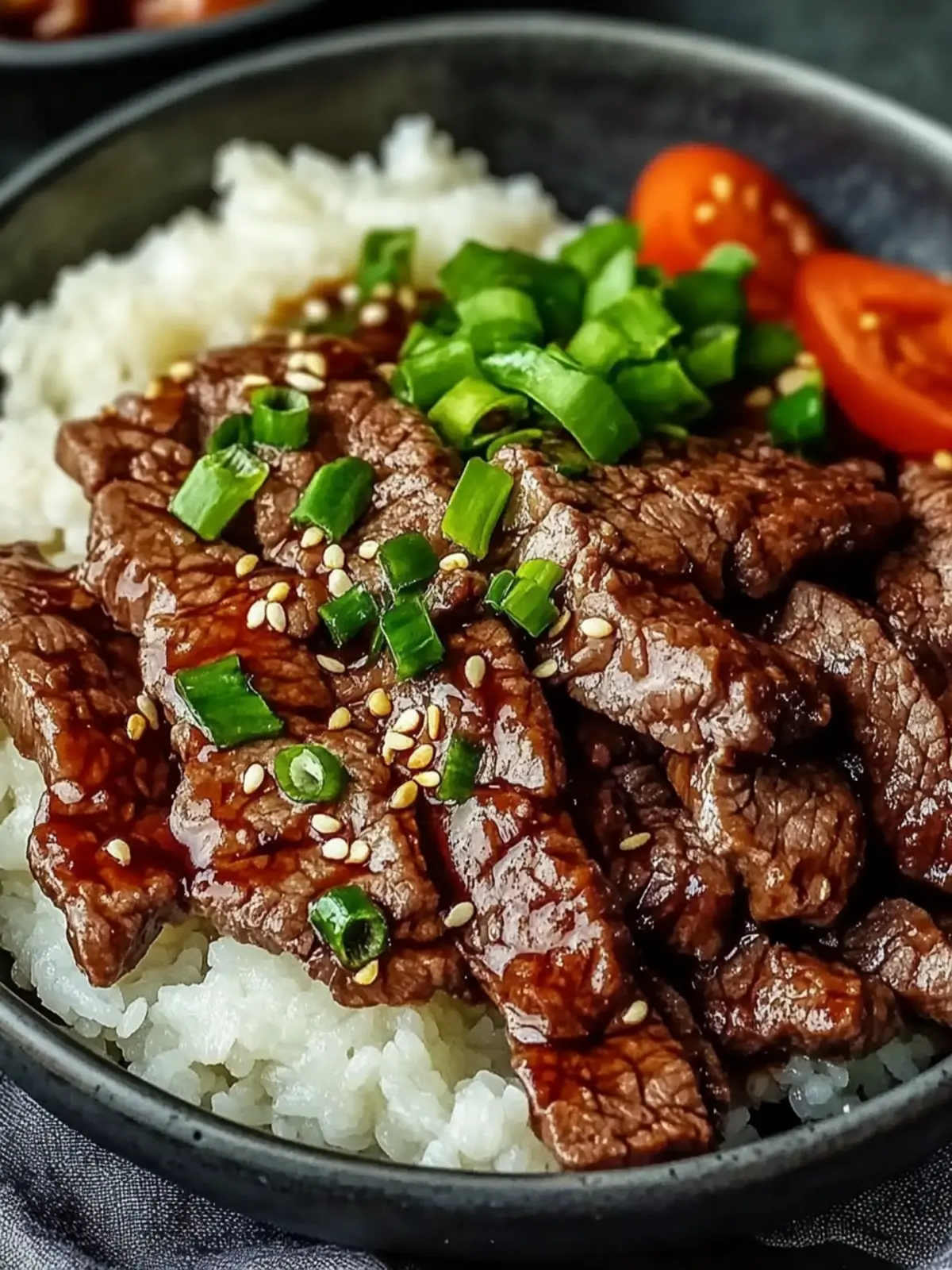
Savor the Flavor: Quick Beef Yakiniku Recipe for Dinner
Ingredients
Equipment
Method
- Prepare the Marinade: In a mixing bowl, whisk together the soy sauce, gochujang, mirin, minced ginger, garlic, sesame oil, neutral oil, and brown sugar until well combined.
- Marinate the Steak: Coat the thinly sliced beef evenly in the marinade, cover, and refrigerate for 2 hours.
- Preheat the Pan: Heat a wok or large skillet until smoking hot. Place a serving bowl in the oven on low to keep the cooked beef warm.
- Cook the Steak: Fry the marinated steak in batches, searing each side for about 3 minutes, then stir for another 2-3 minutes until caramelized.
- Garnish and Serve: Sprinkle sesame seeds on top and serve with boiled rice and chopped vegetables.